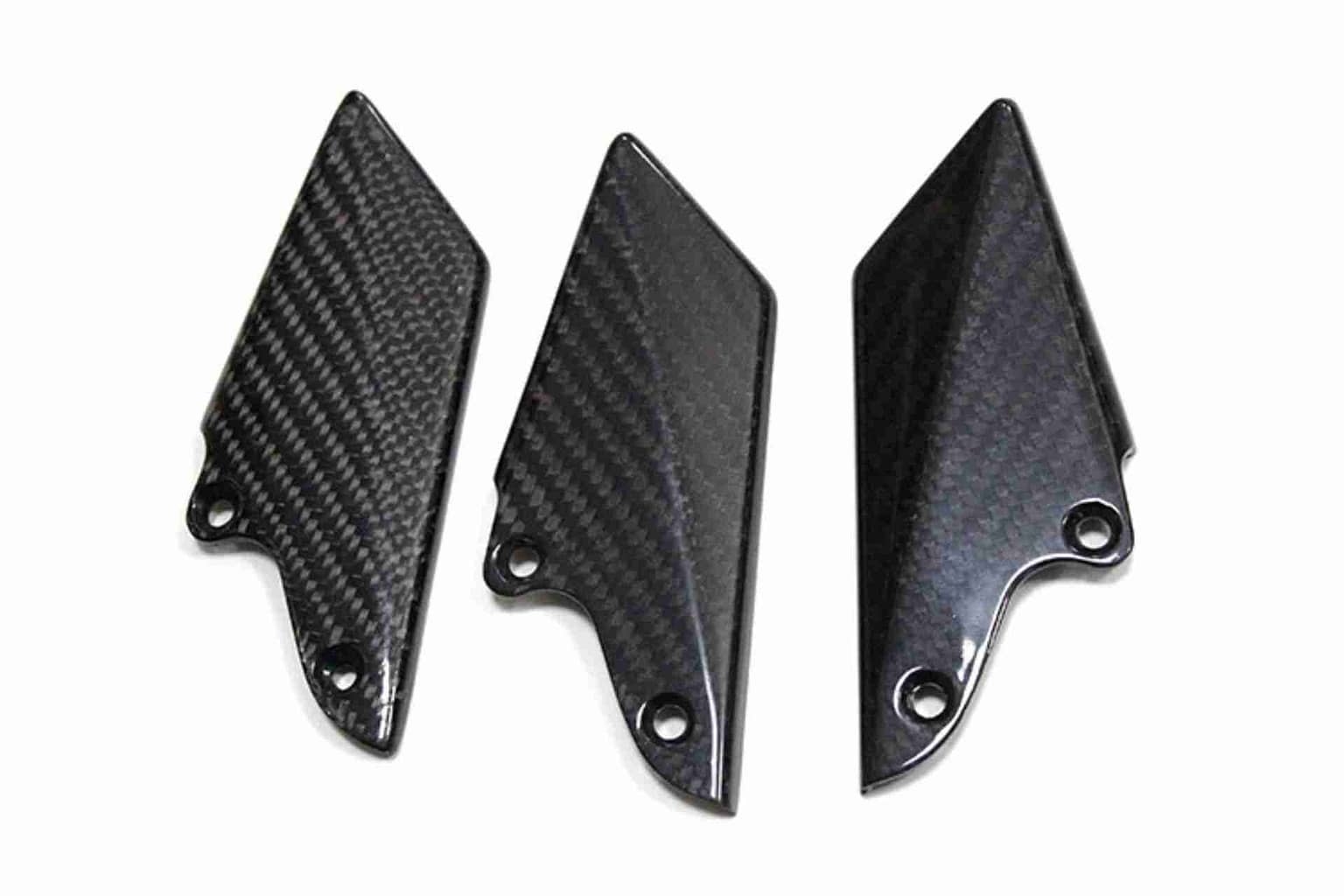
Planning for parts compatible with standard fittings carbon fiber tubes crafted to precise outer diameters?

Renowned for top-tier strength per unit weight, carbon fiber tubes excel in demanding roles requiring robustness and lighter builds
These tubes are fabricated from a composite of high-strength carbon fibers embedded in a polymer resin matrix
Precisely laid carbon reinforcements produce excellent tensile strength and structural stiffness, with a light resin lowering the component mass
Such a blend of characteristics lets engineers craft solutions that combine exceptional strength with reduced mass
Carbon fiber tubing is integrated into aircraft, vehicles, sports equipment and medical implements
For aircraft construction, carbon fiber tubing reduces structural mass in fuselages and wings, boosting fuel economy and capabilities
Automotive use includes suspension elements and chassis stiffeners made from carbon fiber tubes to improve handling and decrease vehicle mass
Carbon Fiber Square Tubes: Precision-engineered sections for structural integrity
When design calls for both light construction and dependable performance, carbon fiber square tubes are a leading material choice
The precision manufacturing yields components with excellent mechanical behavior and adaptable design potential for many uses
Through meticulous fiber arrangement and resin infusion, square carbon fiber tubes achieve strong resistance to compressive and tensile loading
Their rigid nature enables square carbon fiber tubes to perform reliably in integrity-critical structural uses
Whether in aircraft assemblies, vehicle frames or professional sporting gear, square carbon fiber tubes sustain reliable performance in demanding contexts
Moreover, the low mass of these tubes aids in improving fuel consumption and optimizing system efficiency
- Furthermore, their dimensional accuracy makes integration into complex assemblies seamless and reduces costly adjustments during manufacturing
- Thus, industries that target advanced performance and efficiency increasingly rely on square carbon fiber tubes
Rectangular carbon fiber tubing engineered for bespoke shapes and peak efficiency
The material exhibits a remarkable balance of strength and low mass plus stiffness, making it suitable for demanding uses
Specifically shaped rectangular or prismatic carbon fiber tubes perform exceptionally well as a result of their tailored cross-sections
Designed to order, these tubes achieve the precise structural integrity and mechanical attributes required
Rectangular carbon fiber tubes can be produced by fabricators to exacting standards for aerospace, sport and industrial applications
Adaptability in design and production helps create solutions that maximize performance and enhance practical functionality
Structural carbon fiber plates combining stiffness with high impact resistance
With outstanding rigidity, carbon fiber plates excel in applications demanding high load resistance
Formed by embedding carbon fibers into a cured resin matrix, plates demonstrate excellent anti-bending and deformation properties
The plates’ impact toughness originates from carbon fibers that absorb significant energy during impact without breaking
Advanced carbon fiber composite pairings of tubes and plates delivering high performance
CFRP tubes and plates are leading choices in advanced materials for their notable mechanical performance and light weight
Carbon fiber composites’ low mass and high strength make them versatile for aerospace, automotive, sporting and specialized product applications
Manufacturing advances let designers form complex carbon fiber shapes without losing stiffness or durability
Ongoing improvements in fabrication techniques raise cost-effectiveness and scalability, widening use across markets
Selecting carbon fiber tubes and plates can produce lighter, stronger structures compared to many conventional material choices
Their resistance to corrosion, fatigue and degradation extends service life and reliability in harsh environments
The unique performance of carbon fiber composites advances material science and shapes emerging engineering solutions
Examining how carbon fiber tubes and plates are applied across industries
Robust carbon fiber tubes and plates have earned widespread traction and recognition in a variety of sectors
The superior strength-to-weight ratio and mechanical characteristics make them suitable for extensive application ranges
Common applications include aerospace, automotive and construction, where they form structural elements that demand high strength and durability
Carbon fiber finds broad use in sports equipment like bikes and clubs, where stiffness and lightness translate to better performance
Furthermore these composites are gaining traction in medical fields for prosthetics, surgical tools and assistive devices
Carbon fiber solutions for lightweighting: tubes, plates and beyond
Carbon fiber composites are revolutionizing industries by enabling substantial weight reductions while preserving structural performance
Tubes are commonly used where high stiffness and low mass are priorities, for example bicycle frames and wind turbine blades
Plates are chosen for their stiffness and impact resistance in aerospace structural parts where stability and load capacity are critical
Advances in material science revealing new possibilities for carbon fiber
As a materials innovation, carbon fiber is celebrated for its outstanding strength and resilient behavior
Carbon fiber’s attributes arise from filamentary carbon within a resin matrix, offering lightness combined with exceptional strength
Use cases expand in aviation and automotive industries as weight savings contribute to better fuel economy and performance
Automakers incorporate carbon fiber to make lighter and stronger components that improve handling dynamics and crash performance
The adaptability of carbon fiber structures applies across aerospace, automotive and diverse engineering areas
The materials have reshaped aerospace and automotive sectors by providing an unmatched strength-to-weight advantage
Lightweight composites support the development of high-performing and fuel-efficient aircraft and vehicles with good durability
Automotive uses include bodywork, chassis reinforcements and selective frame elements where carbon fiber reduces mass and enhances dynamics
Tubes and plates made from carbon fiber are expanding engineering possibilities
Using carbon fiber tubes and plates enables industry-wide transformations based on their superior strength-to-weight ratios
Lightweight yet durable carbon fiber components are applied in sectors where performance and weight savings are essential, such as aerospace, automotive and healthcare
In aircraft applications, carbon fiber parts help reduce fuel needs and enhance aerodynamics
Vehicle designers use carbon fiber to cut mass and thereby improve acceleration, driving dynamics and efficiency
- Successful implementation requires knowledge of carbon fiber behavior, fabrication methods and necessary design compromises Effective deployment calls for a clear grasp of the material’s behavior, how it is fabricated, and the design carbon fiber diving fins trade-offs required Proper leveraging of carbon fiber involves understanding its performance attributes, manufacturing constraints and trade-offs in design To maximize benefits, designers must understand carbon fiber mechanics, manufacturing restrictions and the trade-offs involved
- Carbon fiber tubes and plates are set for ongoing growth and broader application across sectors
- Sustained development work will improve performance properties and open new application areas
- Consequently, these materials are on track to be key components in future engineering and manufacturing developments
Practical pathways to unlocking carbon fiber’s maximum performance potential
Carbon fiber’s exceptional strength-to-weight and stiffness make it a premier choice for enhancing performance across sectors
Explore material properties, use cases and methods for integrating carbon fiber to maximize design outcomes
From automotive and aerospace engineering to sports equipment and electronics, carbon fiber’s versatility drives performance improvements
To maximize benefits, designers must understand carbon fiber mechanics, manufacturing restrictions and the trade-offs involved
Design tips for balancing weight, stiffness and cost when using carbon fiber.